
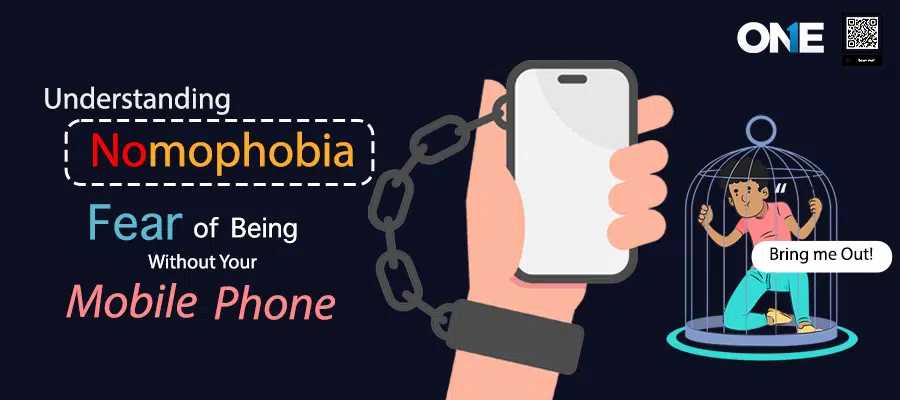
Cell phones have become essential in everyone’s life. People rely on mobile phones for communication, social sharing, online shopping, navigation, entertainment, etc. With a lot of benefits, it’s important, but excessive dependency causes behavioral changes and raises nomophobia, which means no mobile phobia.
The term nomophobia is the fear and anxiety of being without your phone, battery draining, or out of signal range. This can lead to feelings of stress and uneasiness. Some experts believe the fear of losing digital devices may affect mental health and well-being.
Therefore, this blog post is here to assist you in understanding what nomophobia is, its causes, and most importantly, how to manage this potentially problematic situation.
The Origin and Statistics Study of Nomophobia
A UK post office study, which researched anxiety in mobile phone users in 2008, found the term nomophobia. As per this study, more than 13 million people, over 50% of cell phone users, suffer from a fear of losing their cell phone devices.
In 2015, a scientific American study defined nomophobia as a degree of dependence on digital devices to do essential tasks and a desire to stay connected with information as learning.
In 2016, Hungarian research showed significant anxious behaviors without mobile devices.
In 2017, research on 145 students showed that 17.9% of participants had mild nomophobia. And 60% had moderate nomophobia, and 22.1% were severe conditions.
A study conducted in 2019 shows that 53% of British people who have cell phones feel anxiety and stress when they don’t have cell phones.
Characteristics of Nomophobia
Most people who spend too much time on cell phones, constantly check their devices, and keep their mobile anywhere are anxious and stressed. But this fear around these characteristics:
- Disconnect with device
- Enable communication with anyone
- A long gap in accessing information
Symptoms of Nomophobia
Some common signs define a person as suffering from nomophobia.
Anxiety
The person feels stressed and anxious when they don’t have a cell phone for a long time.
Panic attack
They were worried or experienced panic attacks when losing their cell phone devices.
Constant phone checking
They continue to check their mobile phone notifications and messages with no time limit.
Feel uneasy
They feel uneasy and uncomfortable when they don’t have cell phones around them.
FOMO
Fear of missing out on important information and events without a cell phone
Isolation
People feel lonely without their mobiles
Take the phone everywhere
The people take their cell phones, including a washroom.
Sleeping with a mobile phone
Take your phone near your bed and check it at night again and again.
Reasons for Nomophobia
Several reasons contribute to nomophobia, including:
Familiar with technology
Our kids are brought up with the latest technology and like to spend more time with their devices. This is because of easy access to devices and technology.
Reliance on trends
With the dependency on mobile phones for the sake of entertainment, communication, sharing, and other reasons. This can lead to a strong dependency on smartphones and cause anxiety and stress.
Social connection
Sometimes, social pressure leads people to be active with their digital devices. This pressure comes from friends or many professional demands. Instead of checking the phone repeatedly, it leads to a nomophobia condition.
Security
The person who always feels the cell phone is safer and more secure in my hands, and taking a sense of security creates more stress and discomfort without the device.
Information access
Being updated with the latest and trendy information on social media demands the use of cell phones, but the fear of missing out on information leads to nomophobia.Several reasons contribute to nomophobia, including:
Nomophobia Effects on Health
Familiar with technology
Our kids are brought up with the latest technology and like to spend more time with their devices. This is because of easy access to devices and technology.
Reliance on trends
With the dependency on mobile phones for the sake of entertainment, communication, sharing, and other reasons. This can lead to a strong dependency on smartphones and cause anxiety and stress.
Social connection
Sometimes, social pressure leads people to be active with their digital devices. This pressure comes from friends or many professional demands. Instead of checking the phone repeatedly, it leads to a nomophobia condition.
Security
The person who always feels the cell phone is safer and more secure in my hands, and taking a sense of security creates more stress and discomfort without the device.
Information access
Being updated with the latest and trendy information on social media demands the use of cell phones, but the fear of missing out on information leads to nomophobia. There are some instructions and steps that can help people overcome nomophobia.
How to Manage Nomophobia
Set Limitations
It’s necessary to set boundaries for using mobile phone devices. It means always preventing digital gadgets from maintaining a healthy lifestyle.
Advice to actively use technology
There is no doubt that technology is essential. But it’s important to use it wisely. Actively using devices can balance life.
Encourage physical activities
to avoid and reduce cell phone usage, it’s essential to promote and engage users in physical activities like playing in groups, reading books, cooking, etc.,
Anti-depression and anxiety techniques
Practice mind-fresh techniques through yoga and exercise to avoid depression and stressful situations.
Establish a healthy sleep routine
Always focuses on healthy sleep patterns. It’s necessary to turn off or leave the devices before going to bed
Seek professional help to overcome Nomophobia
Professional experts play an essential role in assisting you in overcoming nomophobia. Their direction and support can significantly improve your situation. With their strategies, you’ll manage anxiety and avoid dependency on mobile devices.
Conclusion:
Nomophobia, a modern issue that is rapidly increasing due to our overreliance on digital devices, can lead to stress, anxiety, and depression. With comprehensive information about nomophobia, its symptoms, causes, effects, and managing techniques, users can avoid these negative effects.
Note: It’s not about cutting out technology completely, but about finding a healthy balance. By maintaining a healthy life, you can take control and balance the effects of technology.