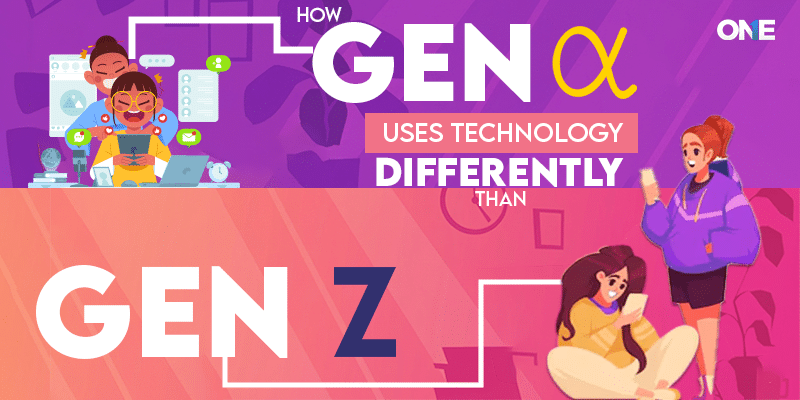
The rapid advancement of technology has forever changed our lives, but one main distinction sets apart Gen Z from Gen A: Gen Z’s first experience with evolving technology occurred before they were born; thus, Gen Z has only experienced transitioning from traditional desktop computers to smartphones, cable TV to digital watching, and finally, from traditional school settings to online learning.
Generation Z has had the experience of seeing the progression of technology from its first development through all of its various advancements up until now; however, Generation Alpha will never know what it means to live in a world without technology.
Both generations see technology from different perspectives. Technology is already covering the crucial part of our lives, and the companies have likely invested in it due to the ever-growing empowerment. In the past few years, the influence has grown even stronger. Technology: learn how we understand, check our social manners, and do close interaction checkups nowadays.
Meet Gen Z And Gen Alpha: How Do They Differ?
Gen Z is the generation born between 1997 and 2012. They face a time when technology is growing fast. Most of them are those who are newly introduced to the smartphones, YouTube, and Instagram during their growing phase. Streaming was becoming available to us, social media was prevalent,t etc.
Gen A children have been born between 2013 and the present, so the majority will soon be adolescents or young adults. However, most of them will still be kids. While many members of Gen A are influencing how technology is developed today, they still use Smart Speakers, Artificial Intelligence assistants, Tablets, and other Smart Devices as everyday parts of their lives.
One of the major differences between generations Z and Alpha is the time at which each generation began using technology.
Living Inside Technology vs Learning Technology:
The key difference between these two generations is the use of the artificial intelligence (AI). Gen Z has already been introduced to the AI with the voice assistance, different custom add-ons, search engines, and recommendations. While Alpha generation born in the 21st century use the technologies more, just as they do in real life.
For many young people belonging to Gen Alpha, it is completely normal to ask their AI assistant any question. At this moment, AI assistants are considered advanced technology by Gen Alpha. They use the power of AI for everything.
Gen Z and Gen Alpha: Different Tech experiences
Another difference between these two generations is the association with the digital-based gadgets. Indeed, the smartphone was the center of the Gen Z digital world. People in Gen Alpha, however, use the whole ecosystem of connected devices as their main source of digital experiences.
Typically, it may include such devices as:
- Smart screens connected to a live streaming platform
- Remote voice controllers speakers
- Smartwatches
- Learning tablets
- Gaming consoles
- Connected home devices
Young people in Gen Alpha use more than one screen to perform their daily activities. Moreover, as connected homes become popular, Gen Alpha grows up learning to operate in such environments through voice commands and AI interaction.
Searching Behavior is Changing
Members of Gen Z have been accustomed to conducting online searches by entering queries into Google and other search engines. The way they sought answers was simple – they used search bars.
Gen Alpha exhibits completely different behavior when using search engines. Younger users increasingly prefer to discover things with visuals rather than text. Short-form videos, AI assistants, interactive searches, and visualization of results are preferred to long articles.
The point is that Gen Alpha tends to look for a quick understanding of an issue or topic. Rather than doing a bit of searching or reading an article, they prefer to rely on technology for instant answers.
Businesses adapt to this change, making production faster, more incentivized, and more engaging.
Learning Process via Interactive Technology
Another difference that distinguishes the two generations lies in how they learned. Gen Z has been exposed to education that combines conventional methods and technologies. They went to schools supplied with textbooks, but where technology assisted in the learning process.
The learning process for Gen Alpha is increasingly focused on advanced technology. Gamification of the education, interactive applications, personalized education, and virtual lessons are becoming commonplace.
As AI evolves, personalizing the education process will become increasingly easy, making the educational experience very different from that of Gen Z.
Content Consumption Becomes Faster
Consumption habits can shed light on the behavioral differences between these generations.
Gen Z was actively involved in the promotion of new platforms such as YouTube, streaming services, podcasts, and social media websites. Over time, the consumption of these content types became associated with ever-shortening formats.
For Gen Alpha, content consumption has become faster from day one. Content consumption is increasingly associated with rapid, highly visual experiences. That does not mean that members of Gen Alpha tend to have low attention spans. However, they develop high expectations regarding content efficiency.
Content creators targeting Gen Alpha should pay attention to providing:
- Quick value delivery
- Visual content
- Interaction with content
- Personalized recommendations
- Immersive engagement
Communication Style Evolves to Video First
Text messages are the Gen Z go-to choice for sending messages or having important discussions for communication. Video calls are gaining momentum among the youth, too. Video messaging becomes popular, content creation and consumption become increasingly visual, and multimedia communication becomes standard.
Many Gen Alpha individuals learn communication skills via visual media, game platforms, and creator platforms.
Gaming Is Becoming a Social Universe
Games meant something else to Gen Z and Gen Alpha. While games were used for entertainment and competitions by Gen Z, multiplayer online games provided extra social opportunities, yet remained focused on the gameplay itself.
For Gen Alpha, gaming applications become social universes.
Virtual environments allow children to play, socialize, create, study, and express themselves in the same place. Gaming spaces become digital communities of identity, collaboration, and creativity.
These new experiences blend entertainment, education, and socialization. With the advances in AR, VR, and MR technologies, gaming universes that Gen Alpha grows up with may transform the ways generations after this will use the internet.
Digital Creativity Becomes Early
Content creation was typical among Gen Z, involving social networks, photography, blogging, filming, and participation in influencer culture. Gen Alpha becomes engaged in technological creativity from childhood.
Younger children are increasingly involved in editing, creating digital art and virtual experiences, generating content using artificial intelligence, and learning to program.
Technologies provide young creators with tools to unleash their creativity without having to know much about computer science or advanced programming techniques.
It might form the most creator-driven generation ever.
Privacy Issues Are Completely Different
Another area that demonstrates a clear gap between these generations is privacy.
Gen Z began to worry about their privacy once social networks began collecting and selling their data.
Gen Alpha starts life surrounded by digital devices that monitor them. Their digital footprint begins almost at birth, when many kids already have a social media profile that adults manage for them.
Thus, privacy issues become much more complicated. Parents, teachers, tech companies, and authorities start discussing topics related to:
- Digital identity
- Data security
- monitoring of the web activity
- biometric data
- personalized advertising using AI.
While Gen Z began developing their attitudes toward privacy as they grew up, Gen Alpha gets involved in discussions about their privacy and cybersecurity at a much earlier age.
Screen Time Stops Being the Key Factor
For many decades, the topic of screens has dominated discussions about young people and technology.
Experts today tend to believe that the issue of the quality of experiences should be prioritized over time spent on screens.
Gen Z was judged for spending too much time online.
For Gen Alpha, it becomes crucial to understand what young people do in digital space. Productive education, collaborative efforts, creativity, skill assets, and productive socialization might prove highly valuable despite intense digitalization.
Expectation of Customization for Everyone
Customization and personalization are going to become one of the key characteristics of the digital generation.
Recommendation engines affect choices regarding:
Entertainment options, content consumption, online shopping, gaming, and social media feed management. Since this kind of technology has been all around them since childhood, Gen Alpha members usually assume customization is automatic.
That is going to affect products, marketing, education, and workplaces in the future. Businesses that do not consider providing customized services and experiences to customers may struggle to reach this generation effectively.
Voice-Based Interfaces Become Standard
The interaction between members of Gen Z and technology was primarily conducted through typing and touch interfaces.
Members of Gen Alpha now find voice interfaces normal.
Voice detection tools, the automated speakers, a search engine detecting language, and other advancements in the voice sections are more like the natural language.
In the future, replace with a voice that sounds more natural and conveys a real conversational feeling. Such changes may significantly impact technology design for the upcoming decade.
How Tech Shapes the Social Development of Members
Tech shapes the social development process in quite a different way.
Gen Z comes through both the online and face-to-face communications. So they handle things more clearly and logically, instead of Gen Alpha, who live in the online surroundings.
Gen Alpha is experiencing socialization in the environment rich in digital means of communication.
Friendship on the Internet, social games, online educational forums, and various other social networks allow members of this generation to build social bonds.
This does not mean that offline relations disappear, but rather are complemented by digital means. Thus, Gen Alpha is more prone to digital technologies and uses them as naturally as the social skills they learn by default.
The smart gagers’ effects on the Families
The technologies used in our homes provide differnt changes.
Gen Z had to discuss their tech rules with their parents, who were less exposed to tech products.
However, members of Gen Alpha live in families where parents are actively integrated in the digital lifestyle of today.
This indicates that nowadays homes are filled with the latest technological advancements. From communication to shopping to education to household chores. This makes technology a vital part of our routines just as the other activities.
What Will This Mean for Workplaces in the Future?
It appears that there will be major changes in workplace environments due to the differences in the technological background of Gen Alpha and Gen Z members.
Gen Z comes with the several digital transformations across various parts of life.
However, members of Gen Alpha will soon join the workforce with extensive experience in AI-assisted processes, digital collaboration platforms, immersive technologies, and customized applications.
As a result, their employers are going to experience demand for the following technologies:
AI-driven solutions for increasing work efficiency, flexible digital workspaces, personalized and continuous learning solutions, collaboration platforms, and customization features.
Why Businesses Should Consider Fellows of Gen Alpha Now
Many businesses focus on marketing to Gen Z because they are still active buyers. However, Gen Alpha members are already impacting family spending.
As consumers, they will soon impact various markets, including technology, entertainment, education, games, and retail.
Brands that want to attract a larger audience use engaging, AI-driven content. Design the different, unique marketing strategies and storylines for the AI chatbots and get help from the social media influencers. Those influencers marketing their products create a strong digital community.
The Future Belongs To The AI-Powered Tools.
The difference between Gen Alpha and Gen Z is not limited to a preference for different gadgets. The fact that Gen Z grew up during a time of digital revolutions, while Gen Alpha is growing in the AI-driven environment, changes everything about them.
They are conditioned to be part of the AI-based educational environment, experiencing personalized content, immersive video games, and a smart-home ecosystem.
Recognizing the differences mentioned above requires much more than researching younger people’s habits. It is about understanding what the future of the technology industry might look like over the coming decades. With such perspectives, Gen Alpha children can become one of the most innovative generations that technology companies and educators would have to pay attention to. Those who recognize the current shifts in the industry will be better trained for the future.
Why Digital Parenting Is Important Now
Raising Generation Z and Generation Alpha is a whole new challenge compared to previous years when parents raised Generation X or even Baby Boomers. Today’s youths’ upbringing is happening in the fast-paced digital world, with the immense benefits it has, there are hidden challenges that are too harmful for the kids.
There are the various online scams present in the modern world, such as cyberbullying, sexual humiliation, overexposure to mature content online scams, identity loss, and loss of the sensitive personal information, which leads to privacy concerns, etc. This is why modern parenting should go far beyond imposing various restrictions. Parents must guide their children towards building responsible digital habits.
Gen Z and Gen Alpha, if you consider both, parenting should be equally necessary, but a bit more so in today’s generations. Parents need to talk to their minors and educate them about the pros and cons of the technologies. Teach them to use it with proper manners and sensibility, because a single wrong move can damage their self-esteem. Develop healthier digital limits and offline habits together to ensure users can learn and enjoy outside the screens, too.
Staying up to date is necessary in today’s evolving digital landscape. Parents should understand that kids become easily attached to the devices, and they need to check what they do online. There should be methods for learning about children’s online behavior.
Best Features for Monitoring Generation Z & Generation Alpha Kids
Kids spend most of their time on the screens watching shows, playing games, or learning educational stuff, watching videos, or talking with their friends or in group chats with teachers or classmates. That seems normal, but danger can arise at any time, anywhere, so keeping up to date on the kids’ information is necessary to monitor their online activities.
With TheOneSpy parental control. Parents can track their kids’ lives online and check what is happening when they are not around. It helps preserve trust and the relationship between the parents while giving you peace of mind. Some of the most useful TheOneSpy features are described below.
360° Live Device View (Screen Streaming) – See in real-time what your kid is doing on their smartphone, what applications they use, and the content they consume.
Ambient Listening – Turn on the device’s microphones to hear what is happening around your kid for safety reasons.
Keystroke Monitoring (Keylogger) – Log all keystrokes typed by kids to get insights into searches, messages, and other covert actions performed.
Risk Alerts Powered by AI – Get notified of suspicious activity immediately regarding the AI-powered apps or openChatbots.
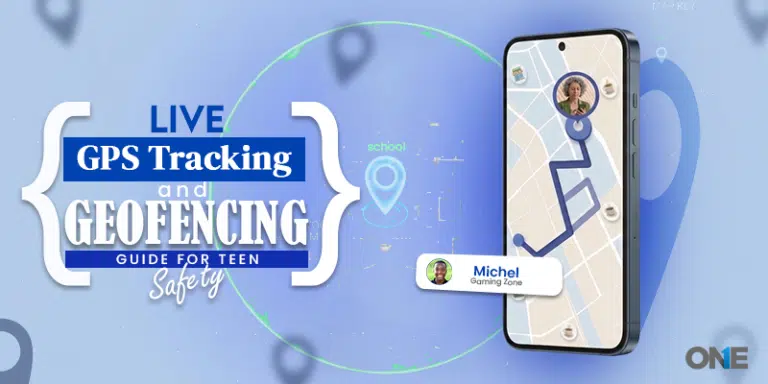
Live locations and route map tracking – real-time monitoring of the location, and know where your kids visit frequently.
Set Geofencing Alerts – set the safety zones, including the schools, the friend’s home, playgrounds, and get instant alerts when they enter or leave your designated area.
Screen-Time Monitoring – check your kids’ spending time on the screens and ensure that it does not exceed safer usage tendencies.
Apps Usage Tracking – analyze your kids’ app usage to see which apps they use and how often.
Social Media Monitoring – Be conscious of the kids’ social media interactions, whom they connect with, and how they engage on their social sites.
Internet Browsing Tracking – Monitor your children’s web browsing activity by checking all the websites they visit to ensure they are age-appropriate.
Website & Web Content Blocking – Control access to certain websites that could contain inappropriate content for children by blocking the website or web page.
Call & SMS Monitoring – analyze phone numbers dialed, calls received, SMS sent and received, and other information.
Remote Control and Remote Monitoring – remotely manage your children’s device usage and stay updated on the latest activities.
Reports on Activity – analyze activity and obtain regular information in the form of reports on how your kids use their phones.
Multidevice Management Dashboard – Keep track of all of your kids’ devices from one control panel.
With the use of these tools, parents can better protect their children from possible online dangers, especially considering the importance of technology in the modern era.
Final Conclusion
In the modern world of digital media, successfully bringing up Gen Z and Gen Alpha children will require several key components: trust, guidance, and an overall awareness of the entire technology landscape, which consists of both learning to discover new forms of entertainment and also learning how to be at risk for the majority of their time online, performing both activities. Solutions such as TheOneSpy offer parents insight into their child’s activities on the internet, as well as methods to help them become more aware and develop safer habits moving forward.
Through the combination of both responsible parenting and monitoring of children, families can build a safer place for children to use technology and be protected at the same time.