The Internet has its own language. It evolves faster than most parents can keep track of. Abbreviations, emojis, and slang emerge on social media each month and become impossible for adults to decipher.
Also, one abbreviation that parents leave worried when they see it in the kids’ chats, gaming rooms, or in comment sections or social media DMs. Parents feel concerned because they don’t know the meaning behind it, which leaves them clueless.
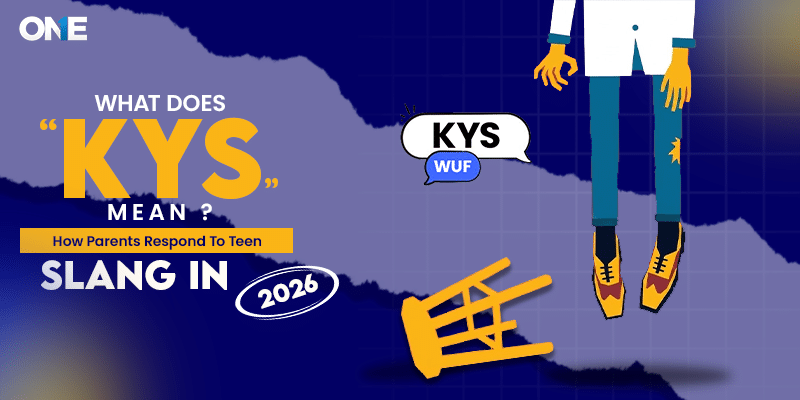
As always, the meaning lies hidden in the context. Even the full form is “ Kill yourself”; kids take it as entertainment or sarcastically.
Understanding the concepts helps parents to take action and control their nerves about how to prevent kids from those situations and maintain healthier digital guidelines.
What does KYS indicate in Text Messages?
KYS is a slang term usually used by Gen Z or Gen Alphas nowadays. Obviously means “Kill yourself,” but it does not mean teens actually have to mean it. The Internet community has made many exaggerations that are meant as jokes.
Let’s take an example: teens mostly use the “KYS” after losing, between games, or if they make a mistake. Although it seems funny, it has other angles. The other side of the table may be a person who is already facing isolation or emotional instability.
Its curucal parents did not make a decision just to see the “KYS” slang term in the chat. It’s much more useful to analyze the whole conversation.
Why Has KYS Become So Popular Online?
Slang term generally used for the quickest replies from the side. As teens spend more than half of the day on screens, they scroll through different social apps, play games, and chat simultaneously. The fast pace of technology, short videos, and the latest trends are the reasons behind this quick shift.
Teens exaggerate by using short terms without knowing the actual meaning. They just use the text from the conversation because they fetch it from different memes, reels, gaming streaming apps, or viral videos, and they just follow it because everybody else does.
Also, digital communication doesn’t include much body language. What feels funny to one teen might deeply humiliate someone else.
Digital communication is growing in 2026, and kids can encounter these slang terms every day. Parents should understand that they don’t always hide something dangerous behind them.
Is the KYS term identified as a red flag?
No, often it doesn’t.
The key is context that actually matters. There can be more fun conversations happening around the Javaniors groups. However, it is a narrative, too,o that the KYS also used to humiliate or discourage others who are already dealing with depression. Rather than being concerned, just see the KYS in the conversation; check the context by thoroughly reading the chat details.
Parents should pay more attention to the cases when KYS is used alongside:
- Repeated negative comments
- Name-calling or personal attacks
- Calling someone with hurtful messages
- Threatening or scaring someone
- Insulting on the public profiles
Indications that a child feels upset after using a smartphone. It’s better to consider a pattern rather than focus on one message.
KYS as a Tool of Cyberbullying
Cyberbullying does not always involve threats. It is connected to the term “having fun,” which refers to parody in group conversations about someone or joking about him/her. KYS appears to be a form of bullying because it is intended to insult someone who is under pressure.
Children experiencing cyberbullying start:
- They used to enjoy avoiding social media
- Instant quiet and withdrawal from regular activities
- Feeling anxious during notifications
- Hiding their screens from others
- Disliking school or other activities
Behavioral changes are more valuable for recognizing the problem than learning every new slang word.
How Parents Should React if They Find KYS
Finding unknown slang can scare parents, but it is better not to react with anger or instantly restrict access to the devices. Instead, it’s better to make the conversation.
You may ask:
- “I noticed this abbreviation. What does it mean?”
- “Is it something your friends joke about?”
- “Have you ever seen this slang used to humiliate someone?”
It will promote honest conversation rather than accusations.
Kids cannot share the stuff that makes them uneasy or uncomfortable. In addition, hesitate to discuss with the parents because they stress being judged, or to give clarity to the parents because they don’t know how to do it.
Teach Kids About Digital Kindness.
Understanding the slang is not the only thing parents should do. It is equally crucial to educate people about the importance of the words they use on the internet. The message you send as the joke or for memes can be interpreted differently or misunderstood by the other person.
Parents should encourage kids to search for the context before using any slang terms. If still conveying in chats or posts first, simply ask the following questions to yourself:
- Can I say it the same way face-to-face?”
- Can someone misunderstand my message?
- Does the wording I used make things worse or better?
Creating empathy on the internet is as critical as preparing the kids for internet security.
Other Slangs Parents May Need to Know in 2026
KYS is not the only abbreviation parents may find. Nowadays, due to the habit of short attention spans, kids mostly talk in slang, and it’s harder to discern the actual meaning behind those phrases.
Some slang terms kids use:
- FR – For Real
- IMO – In My Opinion
- NGL – Not Gonna Lie
- TBH – To Be Honest
- SMH – Shaking My Head
- GOAT – Greatest Of All Time
- IRL – In Real Life
- NPC – Someone acting in a predictable or robotic way
- Mid – Something considered average or unimpressive
- Delulu – Unrealistic or overly optimistic thoughts
Learning to decode every slang term is never easy, and not necessary either. But the key is to teach kids how to communicate online and give them a friendly space where they can ask difficult citation without any fear.
Trust Is More Important Than Slang Vocabulary
There will be changes in technology; therefore, there will always be changes in slang on the Internet.
Despite cracking every slang abbreviation, focus on building trust with your teens. Constant discussion with your kids about the friends group discussion behavior pattern analysis helps to develop better decision-making abilities and to willingly share if they feel something worse online.
Professionals agree that communication without grades is the best way to protect your kids’ safety. When kids openly share about the online threats without being judged or punished. They are more likely to open up about being bullied or exposed to inappropriate discussions, plus not just for themselves but for others too.
Use The Right Parental Control Tool To Support Digital Habits.
While gentle conversation is essential in parenting, seeking extra help from digital tools is also necessary from time to time. Just because digital tools tackle digital slang terms, decoding is easy. A useful parental control tool you can add to your prevention methods if your kids are frustrated or secretive about their devices, being bullied or harassed, or showing sudden changes in behavior. Having a tool that helps see the other side of the screen helps secure kids without physical intervention.
TheOneSpy parental controller is the best monitoring software, providing greater visibility to help protect kids from potential online threats associated with excessive screen time. Depending on the age of your kids and on your needs, it could offer various useful tools to know more about your child’s digital environment, such as social media activity, screen sharing, text messages and call logs monitoring, application usage, browsing activity and history, GPS location tracking, etc.
However, it is important to understand that no monitoring software is intended to invade children’s privacy or monitor all their communications. These tools are here to help parents detect warning signs of cyberbullying, online harassment, or other dangerous interactions and guide their kids properly.
Conclusion:
The Appearance of KYS in your kids’ conversation does not specify whether your kids are harassing or in trouble; the main thing is the context. The term fond of the digital culture, and whether this abbreviation is good or bad, totally depends on the meaning.
Instead of paying too much attention to the abbreviation itself, try observing the overall picture. Look at the behavior of your child and ask some questions.
The point is not in monitoring all of your child’s conversations or remembering all the abbreviations used in teen slang. The point is in establishing the level of trust that will make your kid talk to you about everything they experience while using the internet.