The phrase “Brain Rot” has become common knowledge for the period 2025–2026.
While a kid takes out a smartphone just to watch a couple of videos, he or she doesn’t think about spending an entire hour on the phone because one video turns into several others. This phenomenon is now more relatable and commonly used, which we call “Brain Rot.”
In the beginning, this concept was taken lightly and considered a joke. But later, the instructors, guardians, and the professionals concerned about how the internet is shaping human behavior and minds are facing a major cause for alarm.
The Modern Parenting Nightmare Hiding Under the Surface
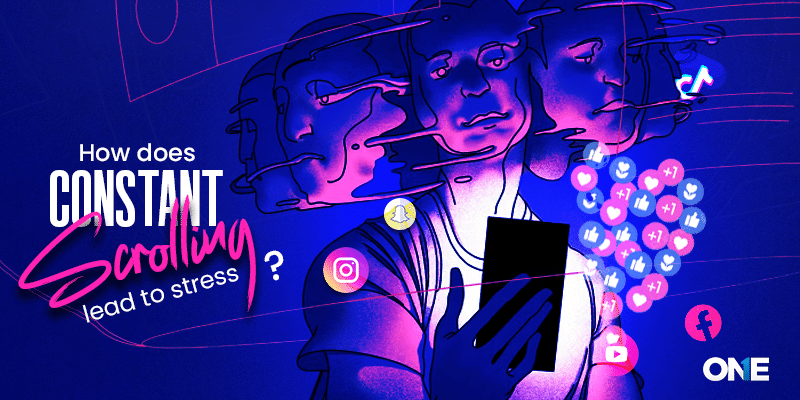
It is associated with the overuse of short content and endless scrolling on social media. Researchers have found connections between brain rot and conditions such as mental fog, lack of concentration, and fatigue.
This is not a diagnosis; however, it has gained popularity within the field of digital culture. Moreover, scientists associate this phenomenon with stress, overload, and lack of concentration. In general, brain rot can be considered a current problem related to online communication.
Behind this playful term is the reality that children consume increasing amounts of short-form digital content. But apart from the issue of increased screen time, many wonder how exactly it affects the children.
Definition of Brain Rot
The idea of “brain rot” is quite simple. In fact, it’s not a diagnosis, clinical or otherwise. Nowadays, people use social media more than anything. It refers to their low focused span; they are more addicted to the watching TikTok, short reels, YouTube Shorts, and short clips, which divert their attention within a second. These are the reasons their attention spans become limited by watching low-quality content, and their concentration and cognitive abilities are impaired.
The danger of the trend lies in the adaptation to a certain state. In the future, less entertaining activities can seem uninteresting simply because they don’t give you any immediate results.
Nevertheless, it’s worth mentioning that it’s hard to determine the point at which your mind starts changing. Gradually, you develop new patterns of thinking and acting that are determined by the way you spend free time.
How Does Brain Rot Impact the Modern Generation?
Currently, the majority of children grow up with access to instant entertainment and education. Moreover, it’s much easier to spend an hour watching short movies than to read books since there’s always some kind of stimulation.
Modern social networks and video content platforms are designed to keep users spending more and more time on them. The main feature of all such applications is that their algorithms observe user behavior and then create content that would attract attention for as long as possible. As a result, kids don’t experience boredom, so they can watch videos until they’re really tired.
The absence of boredom is particularly dangerous as it deprives them of chances to use their imagination and engage in other creative activities. The moment of inattention is instantly followed by a desire to watch new video content. As a parent, it’s crucial to pay attention to your child’s behavior because some signs of brain rot include:
- inability to concentrate;
- lack of interest in activities not related to devices.
- frustration and irritation due to screen removal, etc.
These facts prove that the problem is becoming increasingly apparent.
How Brain Rot Works? Neuroscience Reveals the Truth
Before discussing the mechanism of “brain rot,” it’s necessary to pay attention to some features of the brain that explain why short movies are addictive. In fact, the brain responds positively to any new piece of information, providing the person with an immediate reward.
As a rule, the brain creates expectations concerning any activity that was previously completed successfully. The same rule gives us motivation and applies the social media use as well. When you watch something on the screen, you think a thing might be interesting that pops up on the screen within a few seconds. The urge to keep users connected to the screens with greater focus and concentration.
Moreover, the brain forms an addiction as it perceives a certain activity as a positive one. To continue this process, the brain treats these as the best enjoyment routines and releases the dopamine that makes you happy and relaxed. Whenever a kid or a person uses it, the dopamine level increases instantly to keep them in touch with the content they are watching.
Over time, the addiction becomes higher, and kids see studies and playing with friends as less attractive because they do not provide the constant entertainment and inspiration.
Attention Fragmentation Effect
Short-form content makes the brain accustomed to fast information processing. Constant shifts in attention every few seconds make it harder to focus.
It can be hard for your child to:
- Read long texts
- Do homework
- Concentrate in classrooms
- Think deeply about something
- Follow any specific instructions
That condition has a name – attention fragmentation. Instead of concentrating on one thing for some time, the brain gets used to switching attention frequently.
Cognitive Fatigue without Productivity
Another effect your child can experience after prolonged scrolling is cognitive fatigue. That’s because of the overload of information, which isn’t processed meaningfully.
Possible consequences are:
- Brain fog
- Low motivation
- Increased irritability
- Poor information retention
- Inability to remember what was seen
As a result, several hours of video watching might leave your kid feeling relaxed but empty-minded.
10 Symptoms to Recognize Brain Rot in Kids
Not every kid watching videos is affected by that condition. Still, you should pay attention to such symptoms as:
1. Absence of Focus
Your child feels difficulty focusing on the school-related work.
2. Always Needing Stimulation
Even short periods of silence are followed by screen use.
3. Disinterest in Non-Digital Activities
Losing interest in books, sports, art projects, and other offline hobbies.
4. Low Tolerance to Delay
Getting annoyed when waiting for something.
5. Irritability
Changing mood quickly as soon as a device is taken away.
6. Sleep Problems
Your kid doesn’t fall asleep because of late-night scrolling.
7. Doing Everything While Scrolling
Eating, studying, or talking while watching videos.
8. Decreased School Performance
Appearing problems with paying attention and learning.
9. Forgetfulness
Not remembering information recently seen.
10. Emotional Dependence on Technology
Devices become a solution to boredom and stressful situations.
Hidden Connection Between Brain Rot and Academic Performance
Academic progress always concerns parents.
Learning is impossible without:
- Ability to focus
- Working memory
- Information processing skills
- Thinking critically
Brain rot leads to the opposite. Instead of actively processing information, the brain gets used to receiving information quickly.
As a consequence, there can be problems with:
- Understand the learning stuffs
- Compiling essay
- Solving problems
- Remembering knowledge
- Speaking in class
How Brain Rot Can Affect Emotional Development
Effects of brain rot don’t end with decreased productivity at school. Overload of information can affect emotional growth by reducing chances to:
- Speak face-to-face
- Develop skills of emotion regulation
- Feel empathy
- Work on conflict resolution
Kids who spend lots of time online get used to having their brains engaged by technology.
Kids who are addicted to the spending time online have their brains trained to only entertain through technology. As a result, they can’t resist themselves when they feel bored; they think there is no meaning in life without the internet.
Difference Between Brain Rot and Healthy Entertainment
You need to understand that not every screen action is bad. You can’t keep kids away from the screens, but you can put healthy limits to avoid the unnecessary use of the screens.
However, brain rot involves:
- Repetitive viewing
- Mindless scrolling
- Extremely short attention span
- Content created for retention purposes only
Healthy Digital Content Includes:
- Educational videos
- Online learning platforms
- Games encouraging thinking
- Documentaries
- Skill development content
- Games that improve problem-handling skills.
Why Does Generation Alpha Get Exposed To Digital Dangers?
The latest generation, known as Gen Alpha, is the first to live in the fast-paced world of AI algorithms. They understand the digital gadgets more effectively than any generation could handle. It comes when the world is filled with digital gadgets, including cell phones, tablets, and PCs, that capture moments and deliver fast entertainment, all of which are now an integral part of their daily routines.
Now kids are in contact with technology before going to school. So they become more comfortable with digital surroundings without learning or reading.
During the growing phase of childhood, kids do not handle all the emotions, whether it’s attention, the patience test, ir how to control fear, and an overload of emotions. If kids are being brought up in the fastest-growing online world, they need more stimulation to stay busy and entertained every hour of the day. So, when it comes time the go to school and focus on the studies, they face hardships because of the slow-paced nature of the tasks.
Is “Brain Rot” Behavior Developable?
“Brain rot” is not a recognized medical condition, but overreliance on digital content for entertainment or relief can be considered a habit.
So parents should recognize that their children may feel drained if deprived of their devices and unable to unplug. If parents notice the signs such as :
- Constant urge to check the device
- Reduce attention on the school tasks
- Instant anger when devices are not around.
- Difficult to limit the screen additions
- Excuses to play outdoors
These are the signs that can cause problems. The first one who tried to push away are the parents, who need immediate action.
What Can Parents Do?
Kids love to make small changes, and a small change can make the big difference. You can simply put rules in place for the kids during mela time, nap time, or bedtime. Enjoying picnics outside once a week or a month to maintain a healthy balance with your kids. Promote reading the interesting books, painting your favorite things, and participating in the creative activities.
Increasing Digital Resilience
It is not possible to cut all the technologies from the kids’ surroundings. Healthy parenting does not mean that; it’s simply the right way to use screens. Digital resilience comes when you put a healthy gap between the screens and real-life activities.
Kids should understand when the should allow screens and when they should strictly prohibit them. With that, they can endure the strong and effective screen consumption and do better in the reality.
Also, digital resilience helps children develop self-control, improve attention management, and pay more attention to digital content.
Such skills become crucial nowadays because a digital environment will always surround children, but their relationship with it depends entirely on them.
TheOneSpy: Powerful Support of Modern Parents
In 2026, children become deeply engaged with video apps, social media, and constant scrolling, leaving parents confused about their kids’ behavior. TheOneSpy offers parents a solution and provides detailed insights into children’s digital habits rather than assumptions.
It offers app usage and screen time analysis, allowing parents to monitor which apps children use the most and how much time they spend on them, particularly on entertaining ones that affect their ability to focus and learn.
The tool also includes real-time activity tracking, providing insights into app switching, excessive scrolling patterns, and overuse of social and video apps.
Moreover, another key feature of the software is social media monitoring and communication monitoring, which enables tracing the child’s communication activity and provides a clear picture of the people and accounts the child interacts with.
In addition, browser and online activity monitoring help determine what types of content and websites children visit, which can help spot unhealthy patterns.
In general, TheOneSpy allows parents to gain a clear understanding of their children’s digital behavior and receive early warnings about potential threats associated with mobile apps.
Conclusion
Brain rot might seem like just another phrase coined by kids for the internet era. However, in 2026, brain rot might refer to an actual change in children’s behavior regarding the way they consume digital content.
Parents should never feel afraid when giving their kids access the technology. Being aware is the top solution to develop the healthy soncu, at the top of the content by the children. With the tools like TheOneSpy, you can easily monitor what they watch, gain a clear insight into their devices, monitor app usage, and browse data to gain an overview of kids’ online actions. Thus, with the assistance of the right tools, kids can benefit from the technologies instead of overly relying on them.