The fastest-paced world, covering a major part of our lives with amazing innovations that catch every person’s attention in no time. With the vast digital advancements, revealing the possibilities of fulfilling technology demands acts as a gateway to entertainment, both socially and physically, allowing us to understand modern late trends with a finger tap. Nothing goes far from you; just a single device connects you all over the world. Undoubtedly, technologies bring ease and comfort, but with their immense range of benefits, there are also some points at which they indicate their negative sides, which may be hidden but are still adverse. The bigger the distraction a normal parent faces today, the more it is a grooming concept.
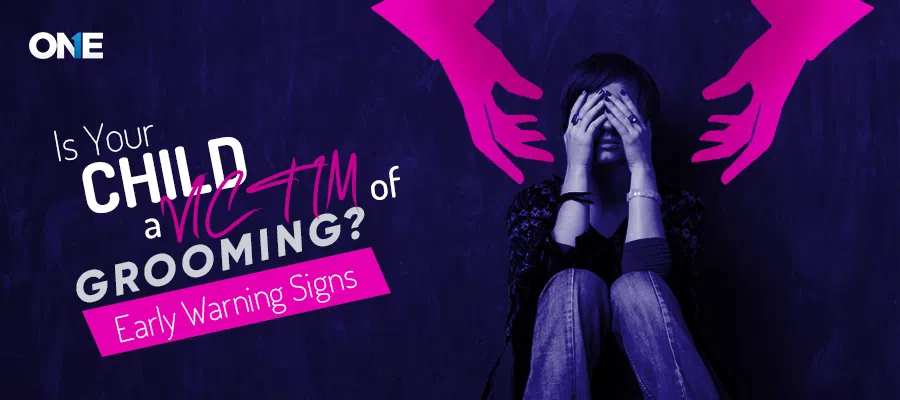
The Grooming is nothing but like a slow poison, which distinguishes manipulative skills that are mainly offered through predators to win the trust of the kids to exploit them in the future. The parents’ concerns are why grooming happened, but to catch the purpose before it’s too late. The genuine issues are potentially higher in today’s world, where it is impossible to know if suspicious individuals are grooming your kids; that’s where parents feel helpless.
To overcome the demanding issues, keep reading this blog. We will explore what grooming a face actually entails, the early warning signs, and what parents can do to step forward and safely navigate their kids’ digital footprint. Plus, at the end, we will discuss how TheOneSpy is a true tech companion to save your kids’ future, before anything happens.
What Is Grooming, And Why Is It Posted As A Slow Killer?
Grooming is somehow a concept where abusers want to gain kids’ trust, in most cases, the older ones, like families or guardians. A handy approach for groomers not to be caught and gain access to kids, too. While there isn’t a single “typical” profile of a child abuser, many follow similar grooming patterns to prepare their victims and the people around them. While there isn’t a single “typical” profile of a child abuser, many follow similar grooming patterns to prepare their victims and the people around them.
To understand the behavioral syndromes as a first step in safety. It takes a long time to detect, as predators are professional in their manipulations, but when it is discovered, there is no going back. The first step is to examine the kids’ routines, likes, and dislikes. If they try to hide their things, these signs should never be neglected by parents, guardians, or teachers. Let them be free, but good communication saves their lives.
The reason to show Growing is a silent killer, as you have no idea whose attention is actually sincere with your child. Even a close oone ight cause bullying or threatening of your kids. Kids, with their growing age, take gifts, compliments, endurance, a feeling of love, and kindness. But not everyone intends to pursue love; some are monsters, hidden behind their creepy faces.
Moreover, this makes the grooming concept a bit more challenging, as the kids note being emotionally strong, but feel themselves to be valued or lovable, when in reality they are being manipulated. Thus, kids who are clueless that something is wrong have no courage to speak openly.
No mistake or offense to kids; sometimes a teenager misses those chances who are mentally disturbed. When things appear, the connection between manipulators and youngsters becomes stronger, nd there is less chance of intrusion. Thus, before things go to your head, do not lose control. Educate yourself as sincere parents or guardians, detect grooming, and take action early to take any appropriate actions that should be taken.
Early Red Flags of Grooming Parents Should Be Aware Of!
It’s not always obvious to notice grooming when it’s actually happening, but initial signs, scenarios, suspicious digital habits, and emotional behaviors can indicate that something went wrong. Let’s see what essential signs a parent should always look for:
Secrecy Around Devices
Among the earliest signs that a child is being groomed is secretive behavior when using electronic devices. A child who was freely using their phone or tablet in front of family members or friends, for example, might start covering the screen, more quickly minimize screens, start guarding passwords with a locked device, and change passwords.
They may refuse to be away from their phone, even in the bathroom, or act jittery when someone eyes their screen. This kind of behavior may signal that someone is encouraging them to hide conversations or activities. “He doesn’t disclose the fact that this kind of secrecy with defensiveness can be a big red flag for potential grooming.”
Excessive Online Activity
Children being groomed will usually spend excessive amounts of time online, with some using devices at unusual times. You may observe them beginning to sneak onto devices after you tell them to sleep, forgoing meals so that they can be online or getting pulled into hours-long discussions with “new friends.”
Groomers do this deliberately—make children feel they can’t miss out on a message or disappoint somebody they trust. More worrying is when your child begins to use apps you don’t recognize at all, or develops a sudden fondness for one particular platform. Too much online behavior, particularly when cloaked in secrecy, can be just, you know, something that feels wrong.
Unexplained Gifts or Money
If your child suddenly has gadgets, clothes, or even prepaid cards or money that can’t be traced back to another source of income, they may already have been drawn into a potential criminal situation. Gifts indicate loyalty, trust, and an emotional debt by groomers and sexual abusers. Because, you know, gifts that come out of nowhere are exciting when you’re a kid and also kind of flattering, so we don’t tend to question what’s behind them.
Mood Shifts & Behaviors
The most characteristic form of grooming that kids do is a change in language, tone, or facial expressions that indicates something off. GenZ used slang (A short form, abbreviated form), so they can talk sexually, adultly, inappropriately, and content that parents should nore understand.
Become offside and experience a lot of mood swings, from a happy person to an anxious one. Their opponent belied what their groomers said, which was highly influential in their lives. These signs may seem subtle, but when examined more closely, the kids may find their groomers to be a true friend, a guardian, without considering the cost. A sign for parents to be aware of, if it appears, a sudden change in their language behaviors, is a clear red flag, but rather than being frustrated, try to be open and direct with them.
Unusual Friendship Bonds
At their grooming phase, kids love to catch attention and get attached to someone who may be older than they are. Discuss habits, interests, their preferences, social conversations, ideas, and if you disagree, they might feel offended. This bond feels excessive compared to friendship when it is frequently ignored by neglecting anything around it.
Even that, a groomer who polishes their minds so attentively, they don’t love to be around their families, mom, dads, or even their friends. Brainwashing kids includes what they like and dislike, prioritizing their personal lives’ opinions, and posting our true, sincere opinions of theirs. What makes it adverse? Kids become addicted to them emotionally and physically, and kill off the grooming process before it even takes place.
Emotional Manipulations
Groomers exploit their emotional growth at specific times when they notice a kid using them and start trusting them, designating them as their best person in life. Abusers start their actions, ignoring and disliking kids, demanding them to keep secrets from everyone, hide chats, calls, inappropriate pictures, and videos from families. Suppose kids do not meet the specifications; they are not obligated to share their secrets.
With time, manipulation is becoming stronger, which affects the self-esteem of kids, leading to a lack of confidence and poor communication that impacts their personal, social, and educational lives. Parents noticed their kids exhibiting sad, angry, and overly secretive behavior, just because they are not ashamed in the eyes of groomers, to avoid breaking their relationships as they become totally dependent on them.
Signs of Stress or Anxiety
Grooming does take an emotional and mental toll, and a stress that makes itself felt mentally through thoughts, dreams, but also physically with all the secondary health problems we accumulate. Some children can also report stomach pain, headaches, or have trouble sleeping, for which no medical cause is identified.
Irritability, nightmares, and unwanted jitters are also common. A child who once was confident now suddenly feels distressed, fragmented, or terrified for no apparent reason. Symptoms of stress are usually dismissed as kids being kids, but take them into consideration with the other grooming signs.
Privacy Over Conversations
Finally, they say a huge red flag is if your child becomes extremely protective of their online communication. For example, they may refuse to disclose who they’re exchanging messages with, delete those quickly after reading them, or defend the idea that certain conversations are “private” and not meant for parental ears. Fatou’s Game.
Whether you’re quarantining apps, constantly switching up passwords, or keeping secret accounts (also known as “finsta, and hidden profiles), any moves made to keep something out of sight hint that there is more than meets the eye. While a growing sense of privacy is normal as your kid grows, sudden, excessive secrecy could signal grooming in the works.
Why Do Parents Stay Watchful?
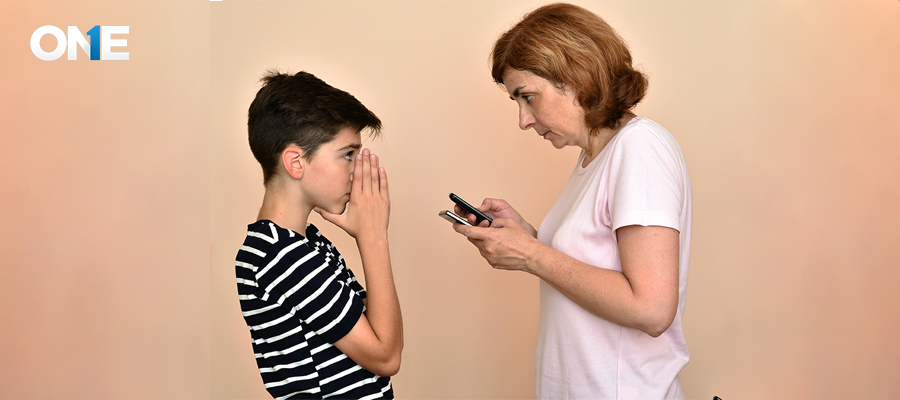 Kids rarely understand what today’s online world holds; their senses do not differentiate between kindness, love, and care and deep, creepy intentions. Abusers attack their innocent minds, developing trust bonds, and reducing their guard. Parental supervision is designed to identify dangers and protect children from threats, without disrupting or violating their privacy, but rather to teach them about balancing healthy digital freedom with responsible supervision.
Follow the principle of “trust but verify”. Give them the special physical freedom so they enjoy their digital space, but expose them to threats or bullies they cannot handle sensibly. So, a light moment is crucial to watch for.
Open communications where kids feel safe to share in-appropriate activities without any outbursts or judgment. Just focus on what they said, try friendly conversations, and create an environment where they feel comfortable sharing unsolicited thoughts without being fearful.
The grooming concept is new for both kids and their parents. However,. But be aware of social and online predators, and stay informed about the latest trends and news. Teach kids about what grooming looks like and what to do if they face it. Predators might catch their attention with their sweet words, but empower your kids to see the bitter side behind their sweetness.
Lastly, a healthy balance, where you can’t break their secrecy but not leave them vulnerable. A healthy balance indicates safe and trusting parental supervision, rather than being overly protective. The goal is to develop kids’ minds, just like parental supervision is for safety, not for oversensitivity. They automatically respect your limitations.
TheOneSpy: A Reliable Parental Monitoring App
 By all critical safety measures and educational understanding, it still may not be enough. The reason is that the world nowadays utilizes top tools that parents are often unaware of. Of Thates, where to handle the sensible use of technology, the other tools come to the rescue of parents.
Comey, a rescuer than the rest, a model of what parents rely on with blind eyes. In addition to traditional apps, TheOneSpy is a comprehensive safety bundle that provides complete details of the kids’ devices without being interrupted, caught, or detected. Parents can view their recent chats, calls, file sharing, and more with just a single click. Working behind the doorstop, track and record activities so nothing escapes from your eyes.
How Does TheOneSpy Keep Kids Grooming Free?
TheOneSpy is an advanced parenting solution that has all the safety measures every parent demands. Let’s explore the key ones:
Social media tracking: Lets you complete details of the popular social accounts, including Facebook, WhatsApp, and Instagram. Abusers might enter through these apps, as they are publicly accessible. When it is being tracked, parents can check the hidden message request and block it if it feels suspicious.
Monitoring chats or calls: It tracked the recent or past chat and call histories. TheOneSpy lets you filter the specific date messages and calls for ease. Groomers frequently encourage secrecy, and this feature helps uncover what’s being hidden.
Screen Recording: Captured through TheOneSpy’s live screen recording features. One of the phenomenal features is the ability to track everything, from gaming chats and browsing history to secret vault files and messages. Refold everything that stays behind!
GPS Location: Tracking reassures parents about their child’s whereabouts. If a groomer attempts to meet your child offline, you’ll be able to intervene immediately. Keylogger typed words recorded, what your kids search on the internet, or hidden apps, codes, and passwords to access inappropriate image sites.
Stealth Mode: As TheOneSpy runs invisibly, with no running notifications, no app icons, just a smooth transition of kids’ actions. Kids feel parents do not intercept them, and parents constantly see them to keep them in touch with groomers.
These and many more all become a safety net that protects kids from abusers, who are just a nice face with adverse mind games.
Wrap Up!
Grooming requires a discerning mind to decode, and parents are not powerless. Being actively and moderately engaged with the latest trends, keeping open sessions with kids, or leveraging tools like TheOneSpy to reduce the chance of being manipulated. Tiny protections save your kid tomorrow. Start protecting your child’s digital world with TheOneSpy—because their safety can’t wait.