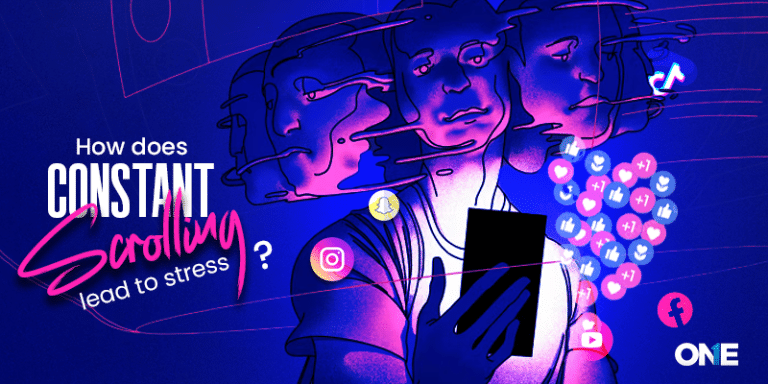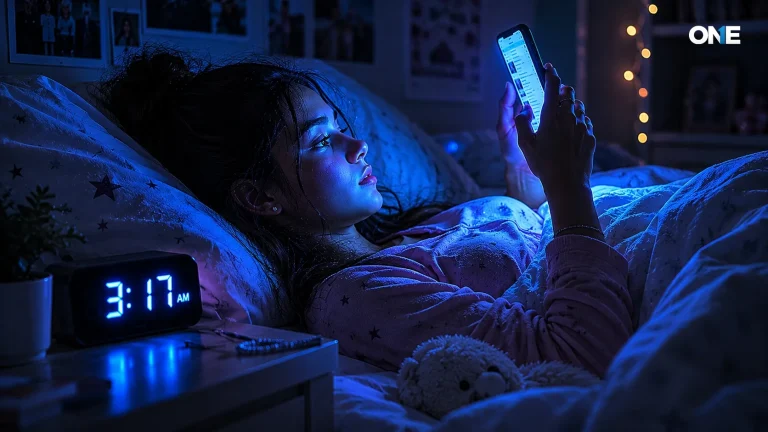
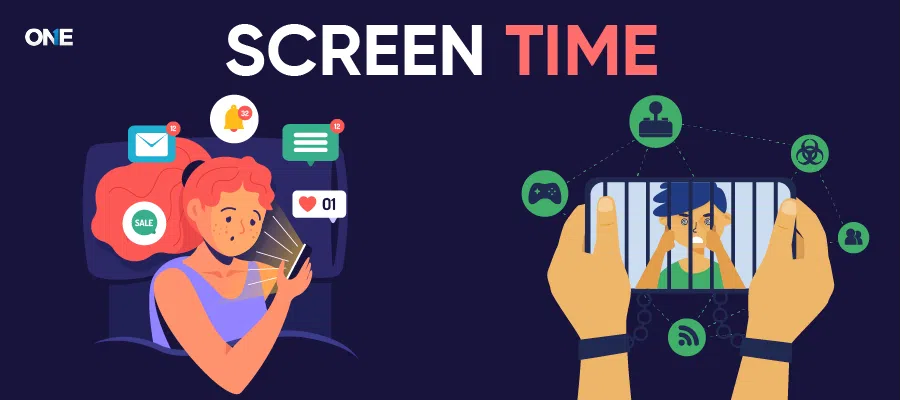
Do you know? Screens are continuously recruiting young digital prisoners who love to consume screen time. It is an evil digital diet our kids have been pounded with, and they spend time behind closed doors. Screen time frequently rots our children’s brains and bodies, and their behavior is overdone. Your kids could indulge in passive screen time habits like too much browsing websites, gaming, social media, and inappropriately streaming themselves. Learn how to cut down or limit their screen time like never before.
According to the American Academy of Pediatrics (AAP), too much screen time, including using phone screens for video games and social media, affects kids’ cognitive skills. It can also disturb kids’ sleep patterns and social lives.
What is Screen Time & Screen Limits?
Screen time refers to the time your loved ones spend using digital devices. They use cell phones, computers, tablets, or laptops to watch different content. It may include video games, browsing the internet, watching adult programs, porn cartoons or watching something unusual.
Screen time limits have practical implications for how a targeted person uses a device. These limits mean you can control your kids and loved ones’ excessive device access and minimize digital risks. They are also a way to create healthy balance screens that encourage better mental and physical health.
Is Screen Time Stealing Your Child’s Future? Top 5 Evils Every Parent Must Know
Screen time is creating a perfect storm of stress and anxiety. Apart from health issues, social issues among teens and children are on the rise, and today parents could face things that they cannot imagine. Here are the top 5 evils among teens & kids due to excessive screen time.
1) Kids Fascinating Encounters with Online Predators
 Passive screen time on cellphones and tablets connected to cyberspace could lead teens to have fascinating encounters with online predators. Social networks are popular among teens these days, and they love to download them on their phone desktops. They use Facebook, WhatsApp, Instagram, and the ephemeral social networking app Snapchat. So, the social media apps have glued teens to phone and tablet screens no time ever before. Teens could face fascinating and magical encounters with online predators. Cyber predators, like cyber bullies, sex offenders, child abusers, and stalkers, are more likely to contact teens in terms of online friends, lovers, and well-wishers. They can trap your child for a blind date, verbally abuse your child, and could body shame your child.
2) Social Media to Live Streaming Obsession in Lingerie
 Kids use social media at a young age, like TikTok, Facebook, Instagram, and Snapchat, and later download live-streaming apps and start flaunting themselves, from bold dress-up to lingerie. Screen time is shaping our teens’ minds into digital prisoners, and they cannot think of what is good and bad for them, and follow online trends without knowing the consequences.
- Social media gradually encourages sharing filtered photos and videos to get more likes and appreciation.
- Later on, teens try to maintain their social media image and do nasty and risky things to get more and more followers, no matter if they have to strip online.
- Teens love to use live-streaming apps like TikTok, Bigo Live, and many more.
3) Screen Time Leads Kids to A Disney Way to Porn.
 Cartoons are the best entertainment for kids, but sadly, they are leading kids to a Disney way to porn. Cell phone browsers are pounded with cartoon adult material. The adult entertainers create masterpieces of cartoon adult content with mild adult material to attract young phone users towards hardcore porn sites. So, Disney cartoons also prepare our kids for adult life, which is not appropriate. Parents should look after the screen time of the kids, tweens, and teens before it is too late.
4) A Gaming Obsession Could Turn into Aggression
 Researchers believe that Video games are responsible for raising the thermostat of aggression in young kids. Video games that are full of violence are as toxic as substance abuse. Online games are addictive, and they could also transform behavior. Video games prevent kids from physical activities, and they spend hours and hours on phone and computer screens no time ever before. Logically, screen time leads young kids to increased aggression via online video games.
5) Health Issues Due to too Much Screen Time in Teens
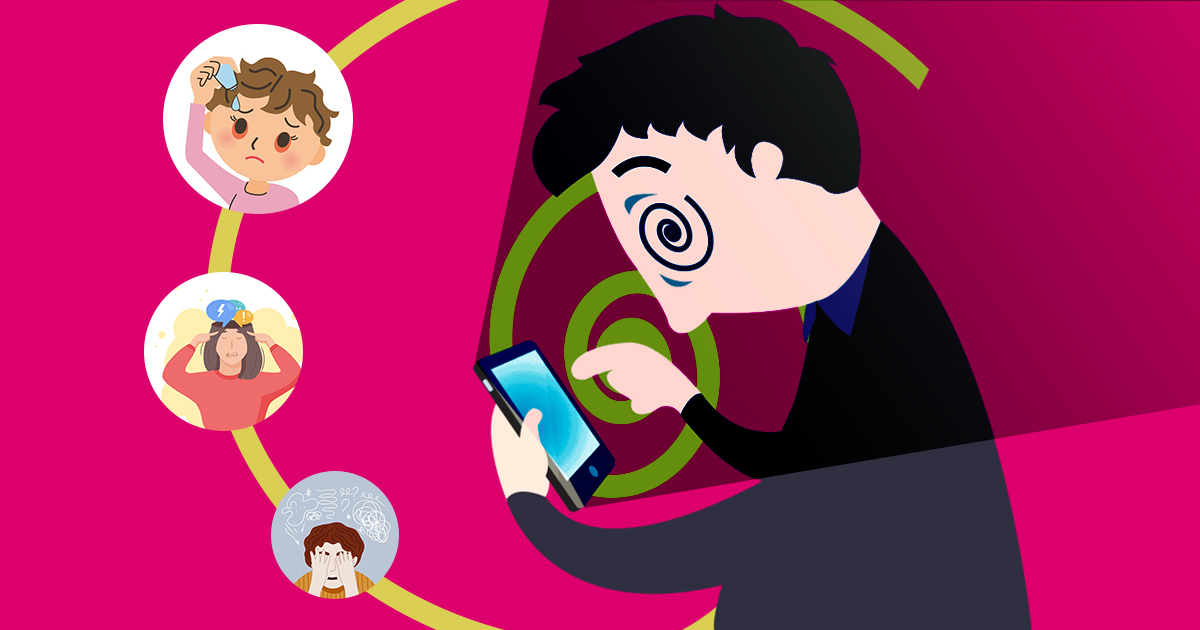 Digital devices time has integrated with our DNA, but the negative effects of screen time for kids and teens are on the rise. Too much screen time or passive screen time is dangerous for kids’ health. Here is the following problem underage kids are dealing with never before.
- Obesity
- Sleep problem
- Neck & back pain
- Behavioral issues
- Eye side
- Anxiety & depression
Therefore, parents have to make a strategy to limit or unplug screen time in young kids. Otherwise, kids would get affected by health problems that leave nothing but disappointment.
What are Healthy Screen Time Limits for Teenagers?
Healthy screen Time limits are crucial for teens. They help maintain their mental and physical health and also support their social and academic performance. However, in the emerging and ever-evolving tech world, it isn’t possible to completely avoid screens in young life. This may be necessary for someone’s educational purposes.
However, with all aspects, researchers recommended a maximum of 1-2 hours per day. Although they can watch and entertain! Rising threats can’t be ignored, such as sleep problems, laziness, and failure in studies. Therefore, if they access their cell phones, set rules for controlled usage.
Hence, parents should remember that screen time should never replace sleep time, study time, and face-to-face settings. Being responsible parents, parents should make it necessary to do some physical activity for at least 30 minutes to overcome mental stress, which would also be good for their physical health.
Moreover, we’ve included some powerful rules that encourage healthy screen time by allowing quality and age-appropriate content to develop healthy habits.
Tips to Reduce Kids’ Screen Time
Do you want to cut down your kid’s screen time to protect them from digital vulnerabilities? You can reduce the screen time of your kids. Parents need to adopt some habits to prevent kids from spending too much time on phones, tablets, and computer devices.
Be With Your Tweens During Screen Time If Possible
Try to connect with your kids and teens on digital devices. This will enable your child’s preferences in the digital world, and parents will know what their child’s interests are when using the internet and devices.
Sit With Them When They Play Games or Use Social Media
Build a healthy bond with your children. Give them quality time to play online games and perform on social media. You can also guide them about the consequences of excessive sharing and public profiles.
Don’t Let Them Use Apps & Games Without Permission
Parents should search for and allow violence-free, educational video games and applications on their phones and tablets. Do not allow your child to play games and use apps that are inappropriate for their age group whatsoever.
Be A Role Model for Your Kids
Parents should be role models for their kids, and they need to portray well-balanced activities in front of their children. Always spend a reasonable time on the screen, and practice active screen time rather than passive. Your kids will follow in your footsteps.
How To Schedule Screen Time For Adolescents & Teens?
Struggling parents can easily unplug children and underage teens from screens unless they have the best screen monitoring software –TheOneSpy. TheOneSpy is the best cell phone tracking app that offers plenty of features to monitor, control, and record phone screens in real-time. Further, you can use the following features to prevent kids from excessive screen time.
Screen-Time
TheOneSpy screen time feature enables users to block target phone or tablet devices for a specific period. Add time intervals and screen days remotely from the TheOneSpy dashboard and press the send button. Cell phone users cannot access any active application unless the screen time ends. Further, users can also set hours to block their phones for app usage. TheOneSpy allows you to set screen time from 1 to 12 hours to schedule screen-free time for teens and tweens.
Live Screen Recording
A secret screen recorder empowers you to record short videos on the screen and send them to TheOneSpy’s dashboard. Users can download the videos remotely and watch kids’ real-time activities on the phone screen.
Screenshots
Parents can also schedule screenshots on cell phone screens to capture back-to-back screenshots and send them to the web control panel. You can download the captured images and know what teens are doing on their phone screens.
TheOneSpy Other Features to Unplug Teens from Phone Screen
Web filter: TheOneSpy empowers parents to monitor and restrict adult websites from the targeted device discreetly. This will help parents relax if their child has a cell phone.
Browsing history: Do you know what your child watches? No, this feature helps you to check what they browse if they access adult and porn videos, and the X-rated cartoon-utilize block feature to restrict their access remotely.
Keylogger: TheOneSpy has a magical keylogging feature that lets you capture every keystroke they type on your device. This allows parents to know what they click and type on their devices.
Lock-unlock device: Utilize the password chaser feature to unlock targeted devices and monitor their activities remotely.
Call recording: If your targeted person is calling someone, you feel suspicious! Don’t worry. TheOneSpy has a secret call recording feature that allows them to remotely record their conversation and listen to it later to know what they talked about.
GPS location tracking: Now, you can check where your loved ones are moving. Our location tracker allows you to monitor your kids’ live location to ensure their whereabouts.
By a large group of features, TheOneSpy mainly focused on kids’ balanced screen time, emerging the latest technology that allows them to control and manage their healthy habits and encourages a secure digital environment.
Conclusion
Screen time is undoubtedly a wild beast that continuously recruits young digital prisoners to spend hours and hours on the mobile screen. Protect your teens and loved ones from online threats with TheOneSpy software. It enables them to control their screen time by restricting and blocking apps used on the target device. Further, you can monitor activity logs, like call logs, social media logs, browsing history, and filter inappropriate websites.