

World Children’s Day: In the 1950s, the rule was established to celebrate the Children’s Day, to promote the welfare of children, and to understand their needs. It’s been 70+ years now, nations of the world came together and have made the pledge with the little souls of the world for their rights, no matter whether girls or boys. It was the global commitment to provide children with the inherent rights and to pledge to give the food, education, health, and protection. Now the entire world has to come together again to make another pledge to offer better internet for kids. Sooner or later, after a decade, when countries around the globe have made a promise to provide children with their fundamental rights, technology comes into play, and today, after two decades, new rights for children need to be revised.
Today, the internet world is vulnerable to children, regardless of the rights they already have. We have to make sure every child has better internet safety. Today, millions of children are suffering due to online dangers, where they get trapped online, and after that, are abused in real life by the predators online.
How Big is the Digital World for Kids? Shocking Stats

- The UNICEF Reports indicate that around the 48% of the world’s population, containing 71% of children, spend time online and engage with digital devices.
- The OECD reported that in 2025, 93% of kids aged 10 had access to the internet, and 70% owned smartphones. Simultaneously, 98% of 15-year-old kids now have the ability to use their cell phones with internet access; 96% have the digital gadgets like computers, tablets, and PCs at home.
The recent media space studies indicate that 90% of kids are highly active on the internet.
- 90% 4-5-year-old kids have online access
- Underage kids the aged 6-8 years old 97% and the aged 9-11 kids 99% spend online.
- The major concern is that mostly teens humiliate themselves online, as they have a more innovative device at the age of 14-17, like 93%.
Protecting Youth For Better Internet Usage
Digital-rich gadgets surround kids in today’s world; the safety is more crucial than ever before, just like the importance of school, books, or friends. The constant interaction with the online world increases the risk of bullying, individual problems, or misguidance. Providing a safer space where kids can shift safely into the next generation.
To get the safer cyberspace, turn the kids phase and develop them with confidence in the ideas they explore, the creativity they pose to ensure the safer digital interactions. By aligning these factors, kids improve their well-being, gain more confidence, and develop a better understanding of technology.
Despite this, kids do not recognize or handle dangers that threaten their privacy. That means adults need to take the lead in creating online spaces where young minds are protected, guided, and taught to use the internet without fear.
Risks Associated With Digital Surroundings:
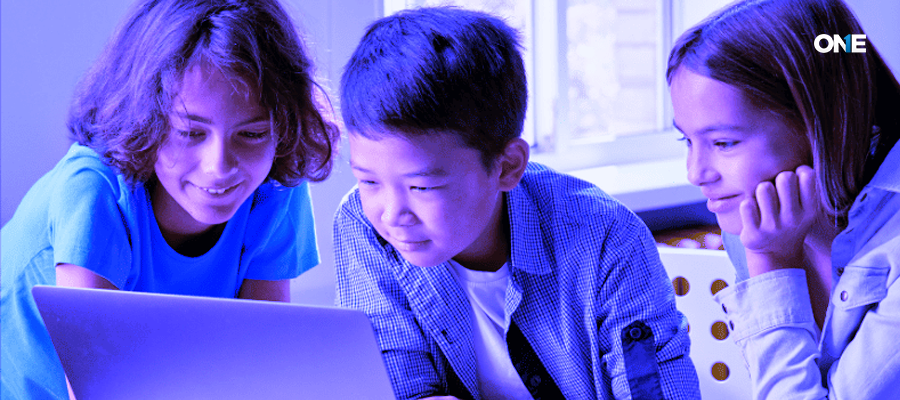
For parents, the only concern is raising children who are prone to spending time on the internet. Nowadays, kids are often drawn to digital devices and spend too much time on screens. Excessive obsession leads to severe problems, and kids become the primary suspects of harassment, bullying, exposure to pornography, etc., wherever the technology grows, the challenges linked with that, but what are the risks that are highly infused with digital modules? It includes:
1. Cyberbullying & Emotional Harm
Online bullying is the alarming cause that needs the digital world to be protected first. The Techopedia reports claimed that 42% of kids who are highly involved in online activities are being bullied online. The European country like the UK, every kid between 5 admit to involvement in sexting in previous years. 19% engage in another form of communication; they dont meet in real life. These statistics are an ominous sign for the guardian, as it has a huge impact on kids’ physical and mental health.
2. Inappropriate And Violated Content Vulnerabilities
Disclosure of explicit or violent content is becoming increasingly typical. Ofcom in the UK says that online violent content is impossible to avoid; a lot of children come upon a disturbing video at a very young age. At the same time, the Kaspersky Survey in the UAE found that 58% of kids had encountered explicit content. Kid’s protection is necessary for mental and physical well-being.
3. Stranger Contact & Online Predators
The online world exposes children to dangerous strangers. According to a report presented by The National, about 1 in 3 kids have been contacted by strangers online. Recently, the United Nations warned about the need to protect privacy and data safety, as the risks of online exploitation are greater than you might imagine. We need to be protected, aware, and fully vigilant towards the social risks.
4. Poor Digital Skills & Illiterate Practices
Mostly, kids spend time online, which does not actually mean that safety is the key. The recent stats from a World Vision study show that 34.6% of kids say they don’t know how to secure their personal space. On the other hand, 46.3% do not bother to upgrade the devices for safety reasons. Most children use the same password across different apps. These chances expose kids to valuneraboloes, so teaching kids is crucial, and awareness with proper guidance is essential.
5. Exposure to Identity and Data Theft
The kids’ personal information is on the verge of the red zone. Today’s digital world is more risky for the kids as the different apps permit various types of information that kids agree to without even cross-checking. According to UNICEF reports, the kids’ personal information is manipulated into fake advertisements, creating fraudulent profiles and exposing them to significant dangers like bullying and harassment. Kids often don’t check what the apps want them to agree to; they simply press the agree button on every pop-up. Results to mislead the information like locations, name, school, address, and personal details that lead kids to scams, identity loss, and exposure to the harm. Safer use of the digital world is necessary as it is the first step towards the safer digital environment.
Porn Addiction & Early Exposure In Children
Why This Is a Growing Concern?
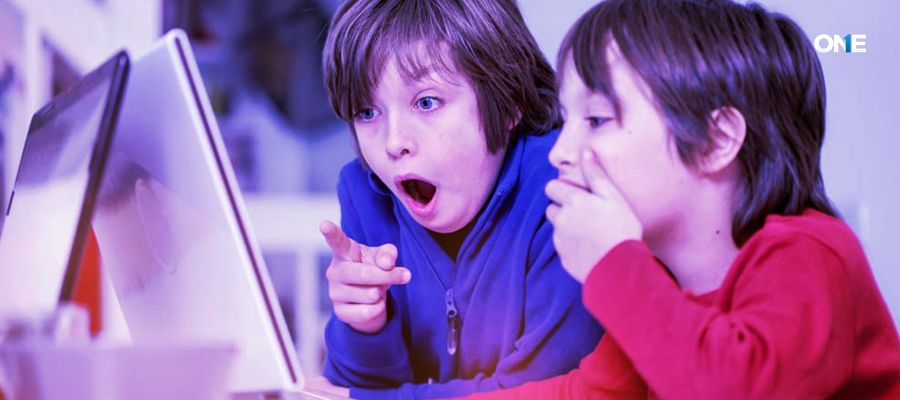
Recent research shows that children are being exposed to pornography at alarmingly young ages-and not always by choice. According to a 2025 survey by the Children’s Commissioner for England,
- More than 70% of young people (aged 16-21) saw porn before turning 18, up from 64% in 2023.
- More than 27% reported their first exposure at age 11 or younger, though some said they saw it as young as 6.
- Almost 59% reported finding pornographic material by accident, mainly through social media websites.
- Social media has now become a significant source: X, formerly known as Twitter, was the top platform where children reported seeing porn, outranking even dedicated adult sites.
- The disturbing part is that a great deal of this content is violent in nature: more than 58% have viewed porn with strangulation, and 36% said they had seen non-consensual acts.
How Big Is The Global Risk?
A global study by the University of Edinburgh estimated that every year, more than 300 million children are exposed to some form of online sexual exploitation.
Another recent analysis by Euronews / Lancet Child & Adolescent Health shows that 1 in 12 children globally has faced online sexual exploitation or abuse, including exposure to porn, grooming, or coercion.
While the average age of first exposure is falling, as an OECD report states, for recent generations, it’s about 12.7 years.
OECD Disturbingly, 34% of the respondents said they’d been asked to do sexually explicit things online that made them uncomfortable. OECD Why It Feeds into Addiction & Harm Algorithmic exposure refers to the way social media algorithms increasingly push pornographic content into feeds of minors, even when they hadn’t searched for it.
The computer updated the daily-based talks, including sexting content, the distortion of a healthy balance, and the importance of consent. The kids who are more exposed are more likely to impact their visualization habits.
The younger the age of exposure, the greater the likelihood that the child will develop problematic viewing habits.
Predatory risk: Children are being given explicit content and perhaps even groomed, putting them at higher risk for exploitation.
Mental health & self-image: Regular pornography consumption impacts self-esteem, sexual expectations, and mental health, often in damaging ways.
Kids’ Social Media Addiction:
- According to Common Sense Media, 50% of teens are addicted to their cell phones, and 78% continue checking every hour.
- 2025 report via ZipDo found that 70% of teens feel addicted to their smartphones, 60% feel anxious without access to their devices, and 87% say they check their phones several times an hour.
- According to World Vision/child technology‑addiction data, in 2025, 67% of teens check their phones multiple times during school hours, while approximately 25% of all teenagers aged 13‑17 years old spend more than 7 hours every day on digital devices.
How TheOneSpy Helps Protect Kids on This World Children’s Day
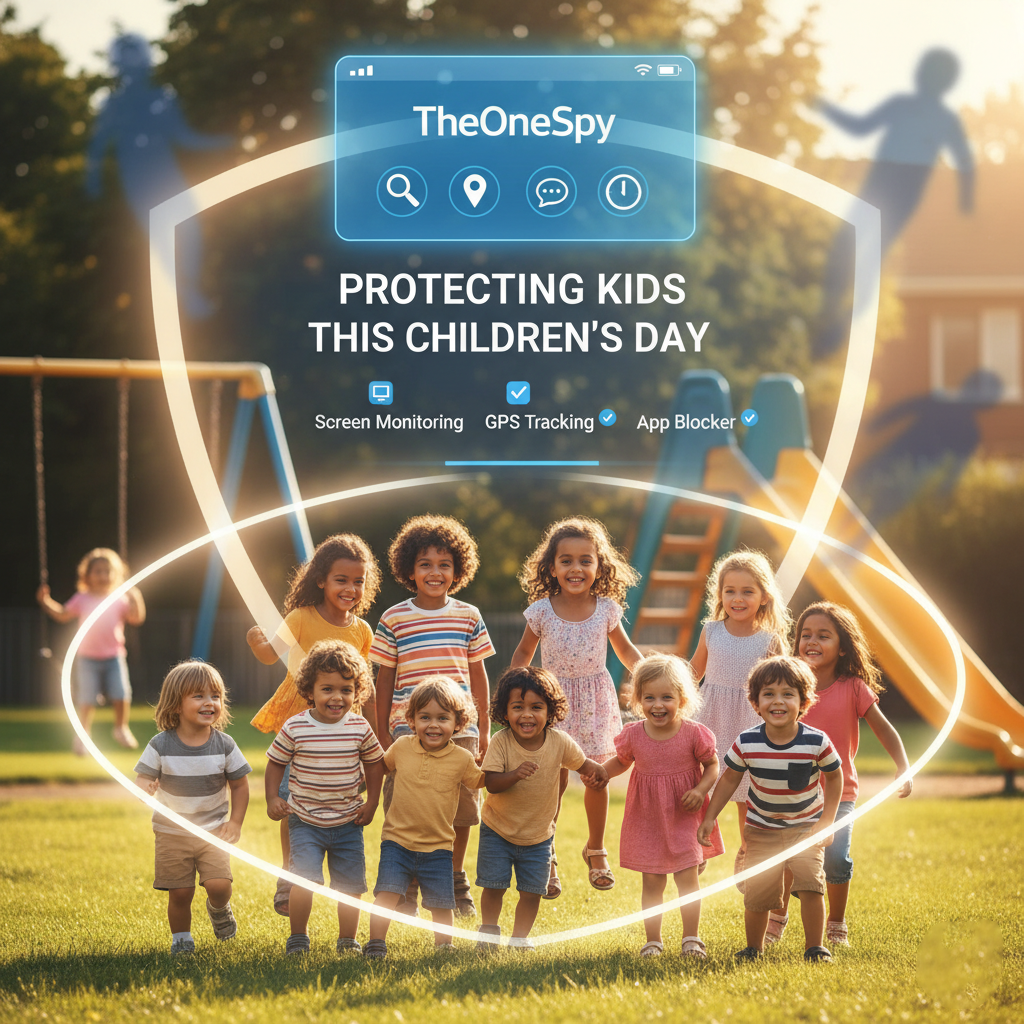
On World Children’s Day, nothing has become more imperative than the safety and well-being of children. TheOneSpy is a parental surveillance tool that helps parents to be extra vigilant on their kids’ devices to cut off the intrusion of cyberbullying, pornography, and harmful content.
TheOneSpy Key Ways To Protects Kids on This Word Children’s Day:
Real-Time Tracking
Parents track the kids’ activities, whether it’s social media chats, voice conversations, Messages, or app usage, all in real time for clear insight. Helping kids effectively use digital interactions without violating privacy.
Access To Filters That Are Appropriate For The Age
TheOneSpy provides access blocking for inappropriate or explicit content. It enables the child to get only safe, educational, and age-appropriate material while browsing.
Alerts for Suspicious Activity
Parents get instant notifications if their child encounters potentially dangerous content, unknown contacts, or suspicious online behavior — from signs of grooming to being exposed to pornographic material.
360° Camera Streaming & Surround Monitoring:
Parents can also monitor their child’s surroundings in real time, beyond the digital world. The 360° camera streaming and surround monitoring let parents get a glimpse of every angle of their child and send alerts instantly when unusual activity is detected. This ensures total protection both online and offline.
Location and Geo-Fencing Tracking:
Parents can track the kids’ whereabouts and ensure the safer virtual boundaries, and ensure an extra layer of safety for the better well-being.
Guidance & Digital Awareness:
TheOneSpy does not just monitor but also educates guardians to be a little more constructive, evaluate risks, and ensure the use of the internet is sensible and responsible.
Final Words!
Today we mark the anniversary of the #WorldChildrensDay; we have to pledge with them to put our children first by making sure a safe internet for kids. Most of the parents, I must say, are wondering how we can get to know what children are doing on the web using digital devices; all we can do is set parental monitoring on kids’ devices connected to the internet. Additionally, help us raise awareness of Children’s Day and a safe internet for kids.
This World Children’s Day, TheOneSpy is committed to helping families create a safer, healthier, and more empowering experience for every child.