
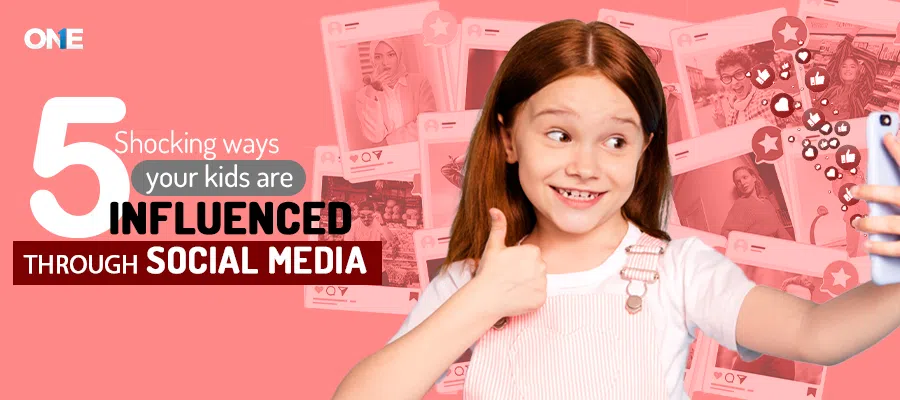
In this rapidly evolving social world, things seem to be happening faster than ever before. Social media is the hot sensation not just for spending time, but for everyday use, covering all parts of our routines. With a broader audience range, content from TikTok, Instagram, Facebook, WhatsApp, or YouTube makes the world feel like a global stage where a single minute feels like live broadcasting. Secret social media traps with more attractions, our behavior and habits evolve around the latest trends, rituals, and interactions, which greatly influence human lives.
However, digital advancement also leads to negative consequences. Continued use of social profiles, scrolling day and night, causes poor mental and physical health, sleep deprivation, and suicidal issues, which should never be neglected for kids or underage users.
For parents, there’s a heavy responsibility on their shoulders to influence their kids’ social lives and provide them with a way to discover their own paths. Plus, how you saved it, we come up with the actual stats, a real-life problem and example, and finally, a solution that you may face in today’s social circle.
Constant Online Presence: A Digital Bubble

Kids nowadays are deeply immersed in the social world, participating in every trend, making reels, and sharing with friends. If we consider it for entertainment, it would be good to go, but discussing it in depth would make it a source of bullying. Every time chatting with friends, circulating reels on different groups attracts the attention of cyberbullies and online attackers. The higher screen time rate affects the other person’s mental and physical health. Kids who frequently update, post, or mimic the videos increase the rate by up to 48%, which is three times higher than the previous rate. The alarming sign of parenting.
But the question is, why does it matter? The answer is that social craving becomes a challenge for kids to balance their online and physical lives. They were addicted to it, wanting never to miss any recent posts or reels, and would quickly reply to every message, even late at night.
Consider, for example, a kid who’s laughing at 10 at night while watching funny videos and sharing them with friends but hasn’t finished their homework. Connectivity with friends online is higher, but this comes at the cost of disconnectivity from family members and even their own sleep needs.
97% kids have social access
Around 13 to 14-year-old kids continue and off social profiles
Average online usage reached 7 to 9 hours per day
The social effects are worse for kids’ lives, impacting their sleeping schedules, which causes anxiety, depression, and insomnia. Lack of face-to-face communication may lead to study issues and risks of lower grades.
The protective solutions, such as TheOneSpy, a state-of-the-art tracking tool, enable parents to monitor their children’s social activities and receive alerts if the device is accessed after a specified time. Implement a usage restriction on the device and monitor their screen activity to identify which apps consume the most time. Secretly recording and helping kids to avoid overusing technology, but with a healthy limit.
Intense Mental Issues: Anxiety, Depression
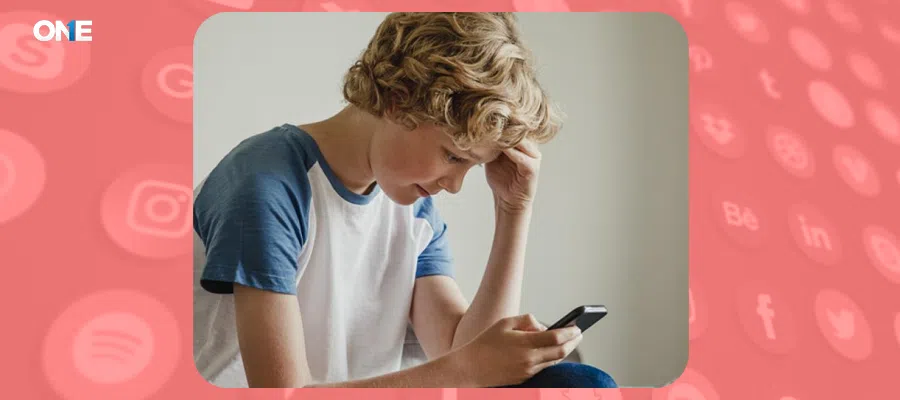
If this world were a jungle, social media would surely be its king. We engage in social media discussions, portraying ourselves as people who enjoy watching funny memes, reels, or sharing them with friends and family for a good time. But if we dig deeper, social media is more than that; it hurts kids’ mental well-being. For kids, social media is not safe. Many teens are exposed to “perfect capture” photos that have just been posted on social media, showcasing someone’s achievements or a healthy, luxurious lifestyle. These become the benchmark for them. They continue to remind themselves of the things they don’t have. This can remain with them the time and can cause lower self-confidence, leading to fear, anxiety, and depression.
According to Pew Research recommendations, half of teens believe that social media increases their low self-confidence among peers. Plus, social media offers a broad emotional spectrum for everyone.
If you find anything, take action before it’s too late!
The Check Phone Notifications throughout the day.
Rather than physical talks, they choose online relations.
Continue checking the latest posts to increase your chances of FOMO.
The Scrolling Habits change their sleeping schedule, leading to a sleep disorder.
Just look at the power of social media. A 14-year-old child who enjoyed the weather after returning from school, greeted parents, enjoyed mealtime, and laughed with siblings. But at a moment, they open social profiles like TikTok and Instagram, seeing someone outing and doing crazy things, living a life full of luxury. Suddenly, their moods change, and all excitement vanishes, leaving only a sense of emptiness.
The only solution is to follow TheOneSpy, a proper parenting app. Reglaute kids’ social life personally and became a responsible human being. TOS allows parents to set restrictions around specific times, block harmful apps, track keystrokes, and receive suspicious key alerts. Encourage them to use technology. Try to open up a conversation and ask them about their daily life routines, avoiding fear-free judgmental talks. more safely
Body Issues: Nerve being Idealized
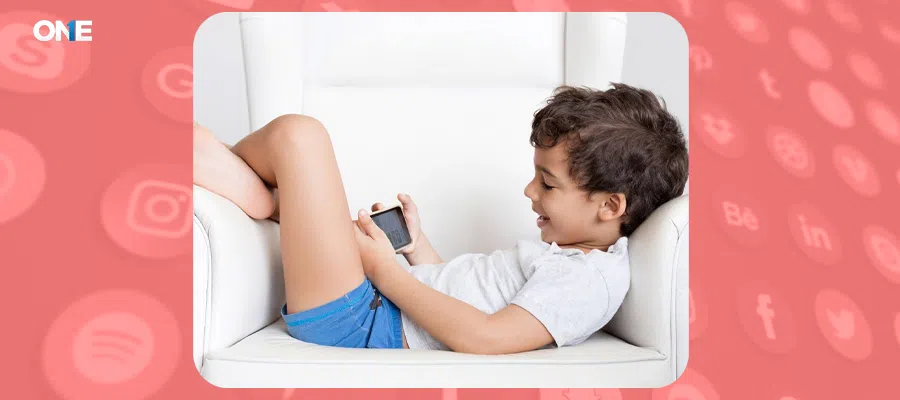
Social media is not always a safe place. But a place that ruins your kids’ peace of mind. Platforms like Facebook, TikTok, and Instagram come with a lot of beautiful filters that change the entire look of the person. However, the weaker aspect is how your kids grasp that not everything on social media is based on reality. Not even looks! But when they watch people with good body shapes, a perfect facial cut, and more, they tend to notice. They quickly compared their bodies to those of others, which raised a major challenge.
Cause of:
The chance of lower self-confidence.
Continue comparing leads to eat medications to fit their bodies
Eating and sleeping disorders
Let’s be real, someone who posts every moment picture just to get comments about their looks – if it’s bad, imagine how disturbing it would be.
Addressing concerns requires the right tools, such as TheOneSpy. Use this to monitor hidden shared images, videos, and DMs, and block adult content to ensure your body is just like that, a perfect one.
Academic Distraction: Screens Before Studies
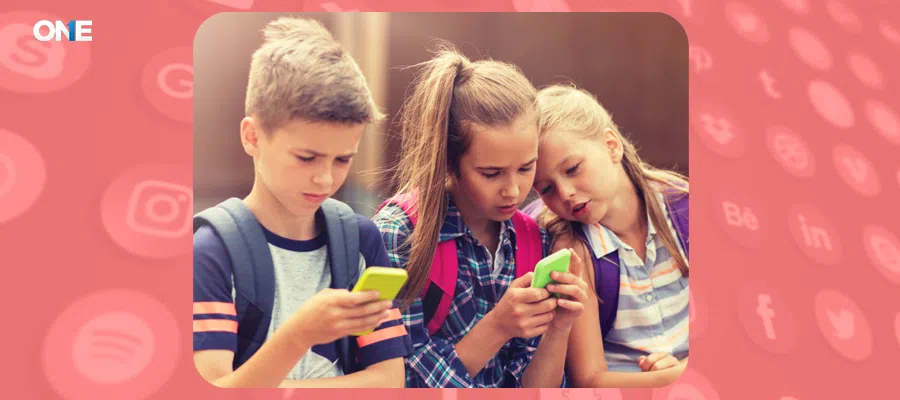
Social media is the biggest distraction, according to a Gallup poll. Fifty percent of younger adults spend more than 4 hours each day on social media, which Atlantic Health states can cause study or health issues.
Signs of Overuse:
● Falling grades
● Lack of focus during lessons
● Incomplete homework or rushed assignments
Your son is playing Fortnite, checking Instagram, and watching TikTok videos simultaneously while completing a math assignment. His intelligence is damaged, and he struggles academically.
Key Stats:
(Leslie, 2018) Heavy social media users are 1.5 times more likely to struggle academically.
40% of teenagers lose sleep from late-night scrolling
Solution:
● Establish screen-free homework times
● Promote offline hobbies
● Track your child’s device usage with TheOneSpy, allowing parents to monitor app usage with minute details in real time.
Cyberbullying: The Hidden Threat
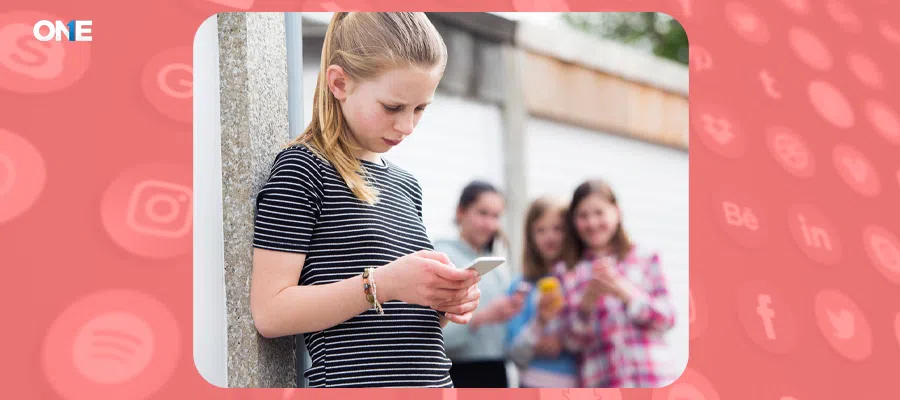
Cyberbullying has quietly grown to become an epidemic. More than 1 in 10 adolescents show signs of problematic social-media use, including bullying (WHO).
Red Flags:
● Avoiding school or social events
● Emotional outbursts
● Secretive online behavior
Your daughter is getting mean messages from classmates and is sent home with good intentions. She has to think twice before telling you, lest she be punished or humiliated. The invisible nature of cyberbullying is difficult for parents to catch at the onset.
Key Stats:
● Problematic social media use is prevalent among 11% of teens
● Girls are more susceptible than boys (13% vs 9%).
Parental Monitoring Solution:
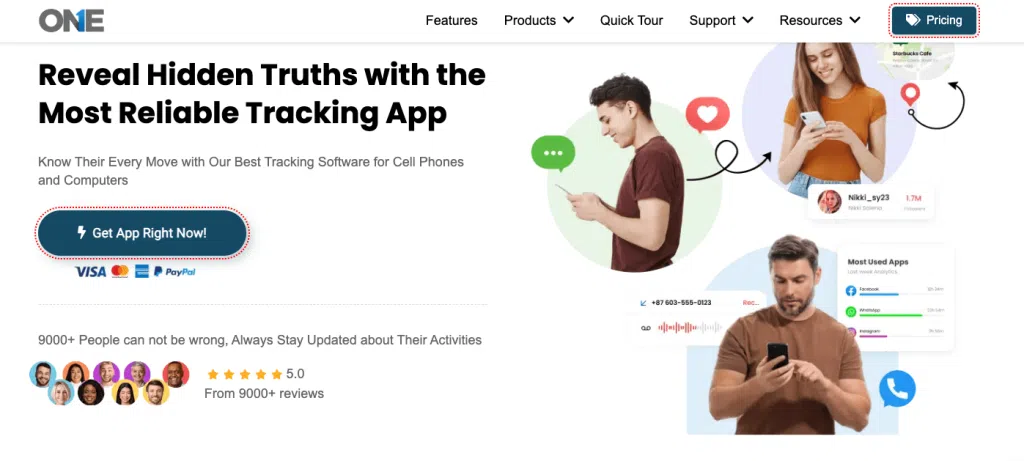
TheOneSpy can monitor social media activity, including VoIP calls, one-to-one and group chats in stealth, so parents see everything on social media apps. Get an early warning for bullying and can act before it gets worse.
Safety Precautions That Parents Can Follow:
Parents need to keep a close eye on their kids’ activities. If things seem out of whack, consider getting help from third-party apps, like TheOneSpy. Always try to open a conversation with kids, meet their new friends, see who they interact with the most, and ask them about what they enjoy doing. Do not enforce your privileges, but with love and care, you earn their trust, and they feel free to talk if they feel something fishy.
The other scenario is having TheOneSpy as a true companion by your side. Track and record every live screen action. Alert if your kids are exposed to harmful content or if it interrupts their social lives. Monitor browsing histories with timestamps to ensure they are not linking to inappropriate sites. These safety measures from TheOneSpy provide comfort, ease, and enhance your relationship with your kids, allowing you to stay close to them without their knowledge.
Final words!
Social media is paramount, but it must be used sensibly. Today’s kids spend almost a day scrolling, sharing, and watching, heavily influenced by influencers who flaunt a rich, glamorous lifestyle. The immediate interaction leads the concerns of cyberbullying, online predators, and false appreptions, rather than responsible well-being.
By following safety standards or using tools like TheOneSpy, you stay informed and updated, growing into a safe, healthy digital citizen.